Archive

WORDS

Nick and I attended the short:seasons festival tonight, which included the world premiere of Lights. ARC cinema is the preeminent film venue in Australia – I had been taken in by a lot of ‘chat’ on the internet regarding the comparative quality of DSLR footage when blown up, but our footage looked amazing. I was also concerned with the quality of our audio – again, I found the cinema more forgiving than I had been led to believe.

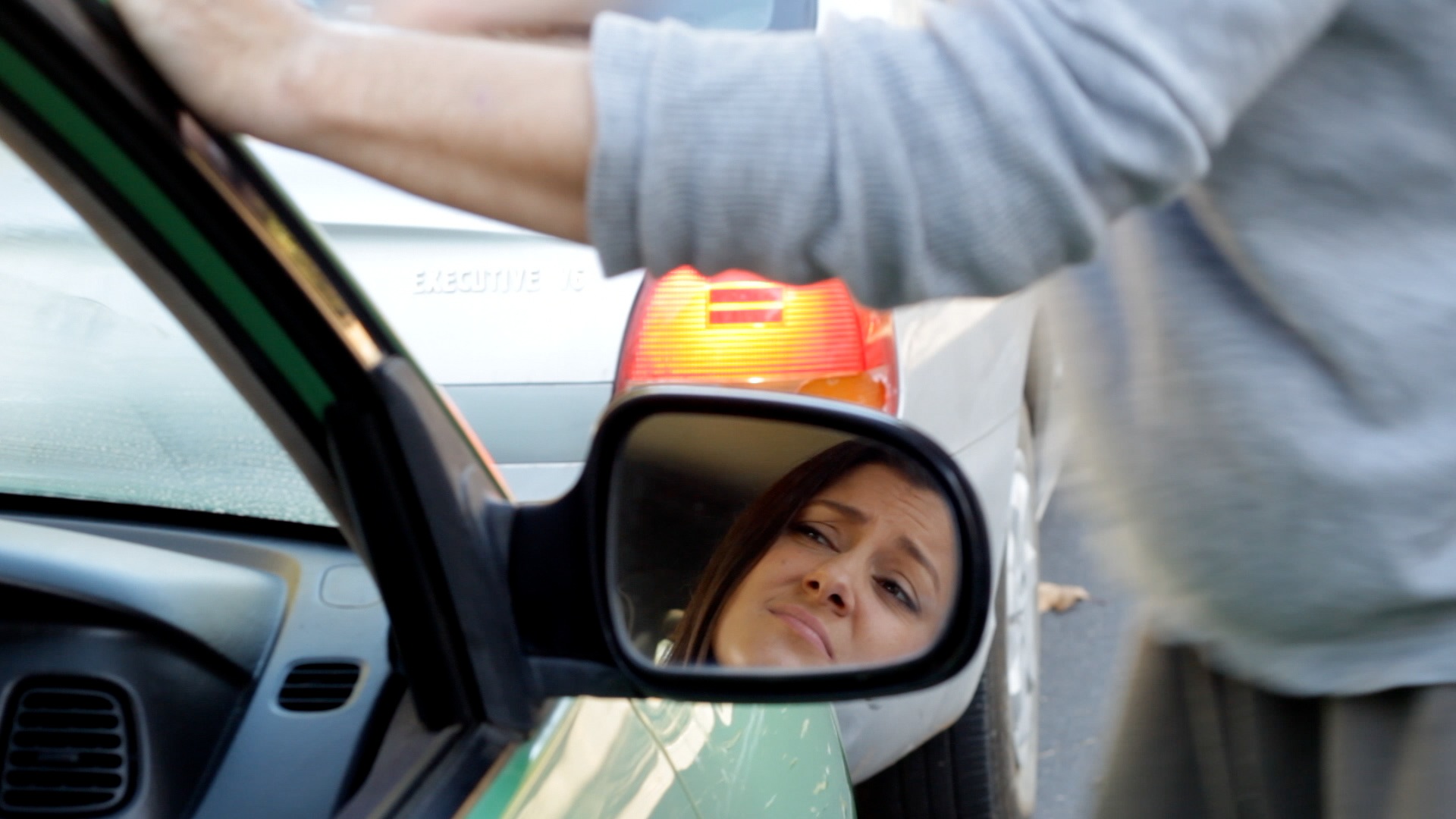
Lights - DAY 02 - Cara

Lights was really well received, and it was thrilling to hear a crowd laughing in its lighter moments. I’m still blown away by seeing a film of mine on “the big screen” (as my Mum calls it), in front of a near capacity audience.

Lights

There were a couple of discrepancies in the programme which I need to highlight – in particular, the programme stated “Nick Delatovic and Luke McGrath have been on the fringes of the film community for many years”. This is false – I haven’t even been back in Canberra that long, and I didn’t pick up a video camera until June of last year – that’s 11 months at most, not “many years”.

Lights - DAY 02 - blog 2(1)

It downplays the achievements we have made – in less than a year, our debut short film has been funded by ScreenACT and screened at the National Film & Sound Archive, I have edited and live-scored a 1920s film that also separately played to a full house at the National Film & Sound Archive, completed a ten part webseries for the You Are Here festival, shot 15 videos (here and overseas) for a cooking show, and filmed 11 bands for 2XX’s Local’N’Live channel. All without any training or guidance – we’re learning quickly, and for it to be stated we’ve spent “many years” on the “fringes of the film community” is straight-up wrong.  They also credited Nick as the director – again, wrong and easily correctable.

Lights - DAY 02 - blog 2

Aside from those frustrations, it was a great evening. The other films were by and large fantastic – I’d have to single out The Book Of Memories for its amazing cinematography, and New Friend for its simple but clever storytelling.

Lights - DAY 02 - blog 2(3)Finally, a shout-out to Ben Drysdale’s impressive characterisation – the script called for Vic to do a “too-loud laugh”.  WIth only that to go on, Ben truly made it his own, and provided not only an audience highlight but an anchor for the character.

Lights will be screened at the National Film & Sound Archive today, as part of the ScreenACT short:seasons festival.

Lights still

Originally I wanted to film Lights in a series of direct, static shots, in emulation of Ozu, who’s Tokyo Story I saw and loved recently.  Nothing clever, tricky or extraneous.  After five minutes on set, that already felt constricting, and I was back to framing shots through mirrors or from extreme angles.  What’s more, after my first cut, the producer (Nick) requested more shots establishing character and setting, to “open it up”.  He was right.

Lights still

Mamet reckons all establishing shots are unnecessary and insulting to an audience, but that’s too harsh and restrictive.   Done right, they can be artistic and satisfying on their own.  Once something is established though, it’s insulting to establish it over and over.  Or just silly – Alias used to sub in the same exact shots of building exteriors in each episode.  Watching the show week to week, you might have brushed over it – watching several in a row on DVD, it becomes comical (do as Lou and I did, and turn it into a drinking game).

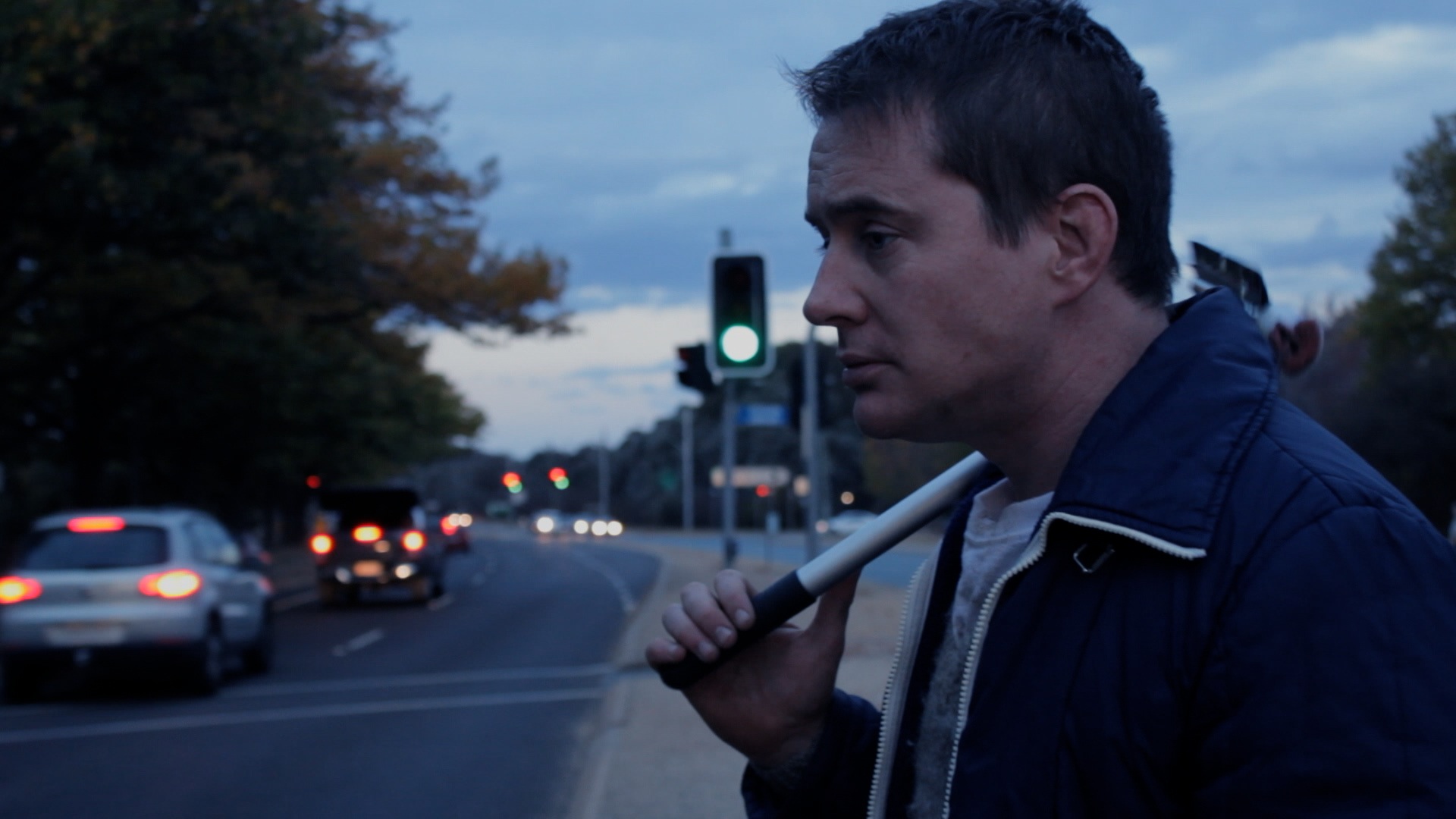
Lights - DAY 02 - Ben Lane

I wanted something different between scenes – fading to black felt like a wasted opportunity.  Fading to a colour was something that stuck with me from watching the right-up-my-alley Submarine (and I think I read that Ayodade took it from Rohmer).  I wanted to go one better than Submarine though, where the colours seem arbitrary, and to tie them to our theme.  Lights takes place over the months of autumn – as the scenes progress, the coloured fades change from a mustard yellow to maroon to corduroy brown, in concert with the leaves of the season.  It’s not a huge detail, but I like the thematic unity it gives.

Lights stillI want to thank everyone involved – our actors Ben Drysdale, Cara Irvine and Julia Johnson, our walk-on cameo/scene dressing car provider/technical expert Ben Lane, sound recorder Paul Heslin, and production assistants Karell Duchesne and Louise McGrath.  Nick and I are gradually building up a steady, reliable crew, and it’s the most rewarding aspect of putting in as much time as we are.

I recently won a comic competition. Held by artist Katie Houghton-Ward (2000 AD, Heavy Metal), the challenge was to take 50 unrelated panels and write a script incorporating all of them. Out of 40+ entries, I won. Like Nick, I found winning something artistic was inordinately exciting.


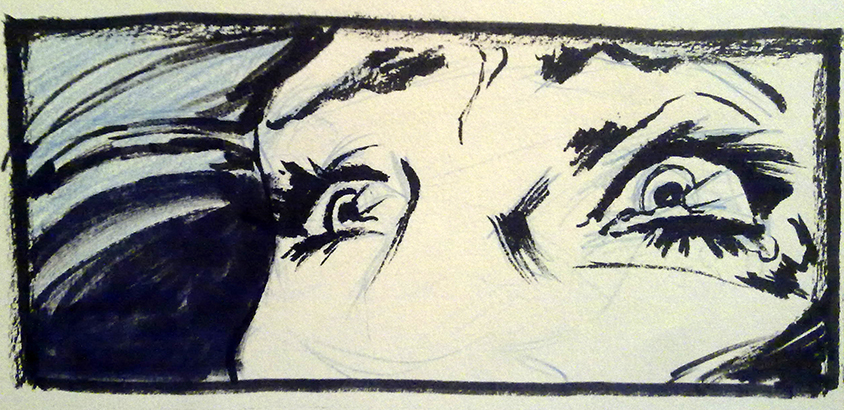
38

I tried to imbue the panels with history and personality – I constructed a backstory for each and all characters that featured. I modelled my dialogue on the nonchalant tone Brian K. Vaughan has perfected in his space-fantasy SAGA (a favourite of Nick and mine) – no matter how outlandish his creatures or situation, they all speak like people we know, which I adore.


22

The title came early, well before the story – like in songwriting, I find a strong title helps. The Absolute was a result of scanning my bookcase and fixing on Absolute Identity Crisis (similarly, my main character names, Drupada and Sataya, came from a book of Indian Mythology kept close to my desk).

7
Katie and I are now discussing working on something similar – more as it comes to hand.

20130523-144306.jpg
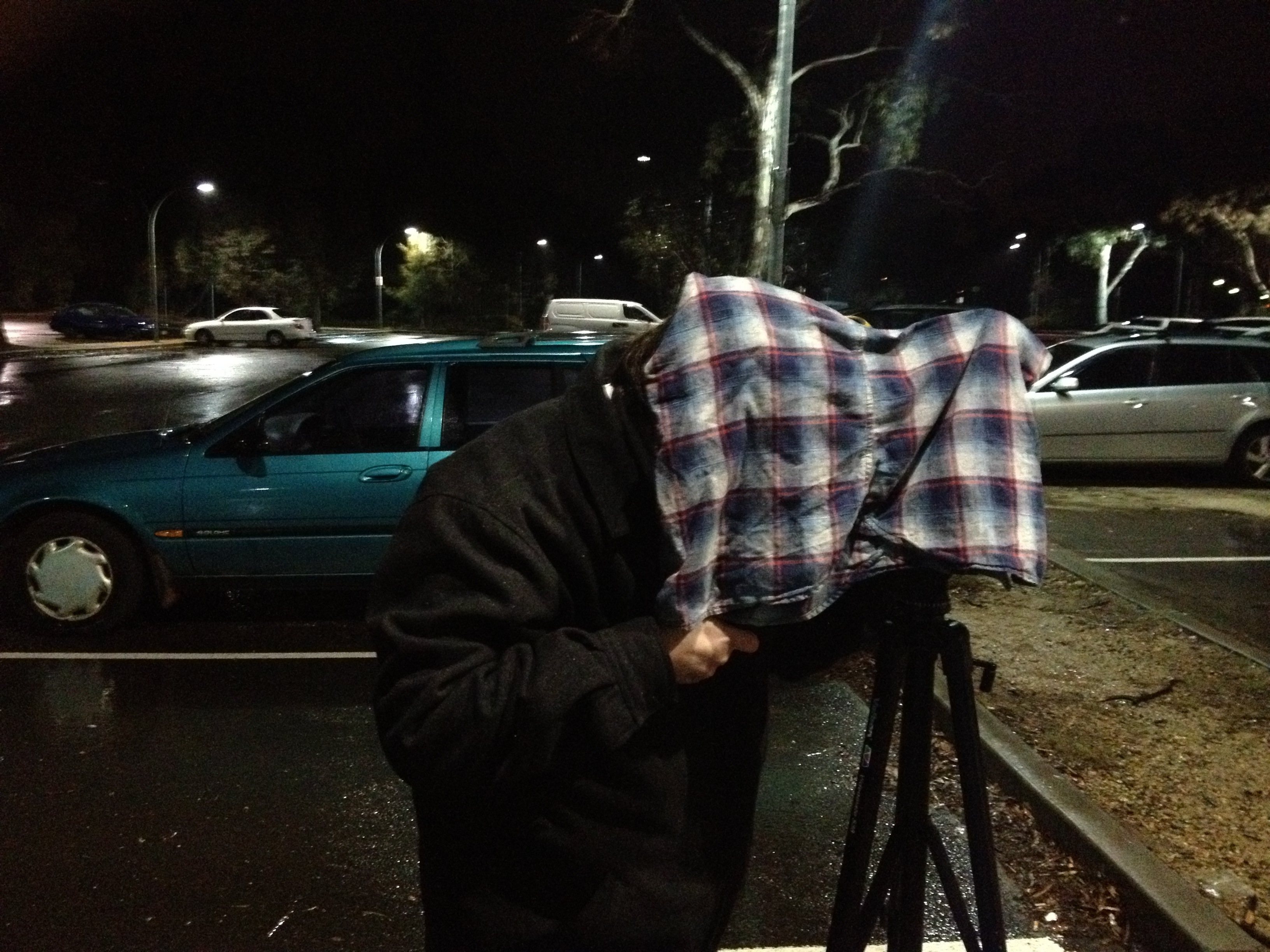
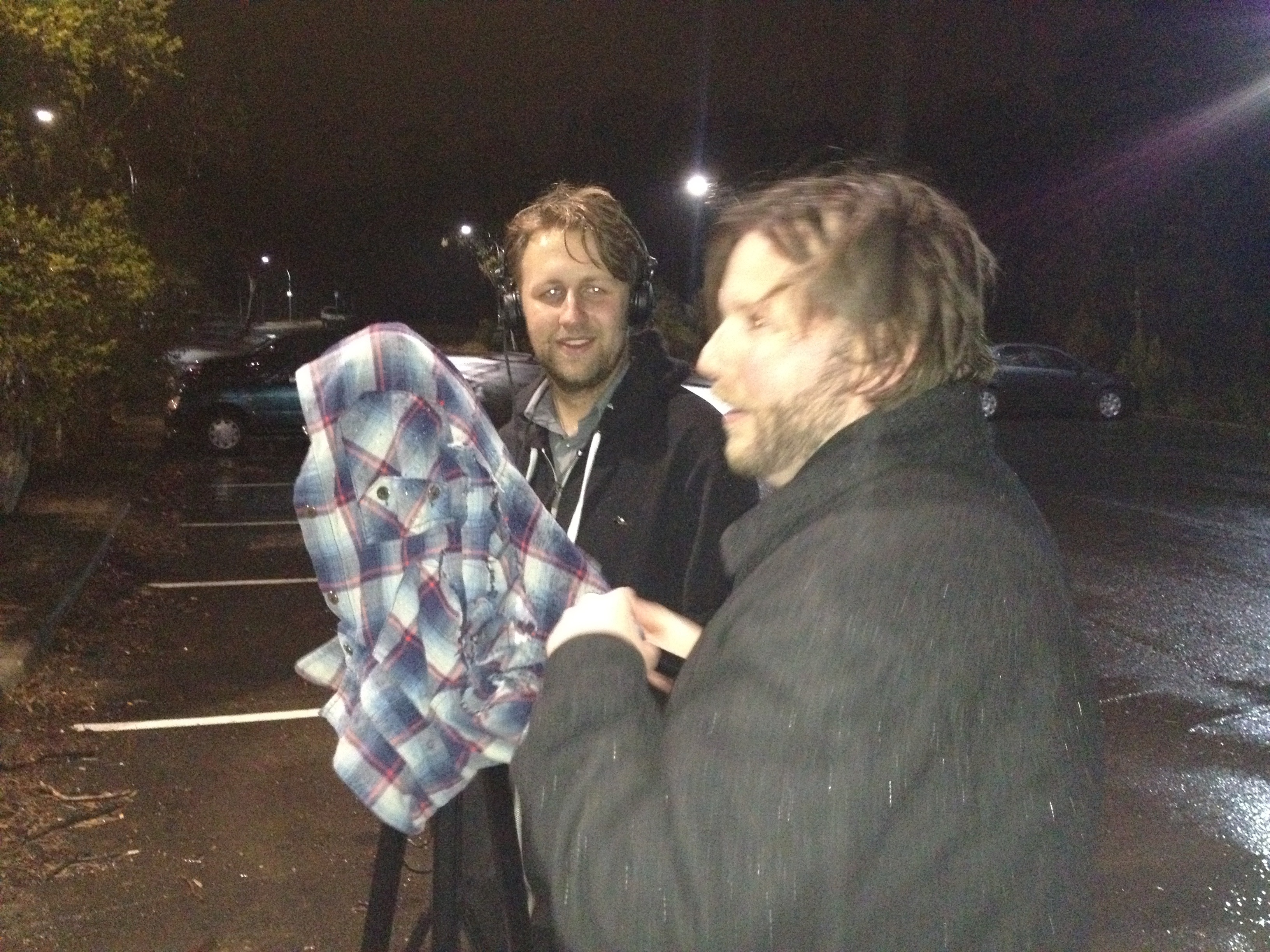
Presented for your edification, intrepid director Luke McGrath proves that wet weather is no impediment to outdoor shooting when one has the proper equipment.

So I won the ScreenACT Short Seasons competition. It’s the first time I’ve won a competition with a creative work and I’m embarrassed to say that it was a very exciting feeling. I feel like it was probably a triumph of reading the brief- my script is simple (both narratively and logistically) and engages earnestly with the theme of ‘Autumn in Canberra’.

I think the film will be a good showcase for Luke’s developing methods as a film maker. Hopefully the characters will resonate and be recognisable to other Canberrans. As a producer, I had to step up some of my skills a little, particularly location scouting. Quite frankly, the fact that I wasn’t acting in this one made my on-set experience a relative breeze. I tried to provide a writers perspective when I thought it would be helpful, but on the whole I was happy to stay out of Luke’s way.

20130523-145323.jpg
Much more difficult was the Cracked Actor music video shoot, that with one thing or another we were forced to cram into two days in the middle of our larger shooting schedule. The video is for our forthcoming single Lemon On Your Lover, and my ambition was to create a three-minute, micro-budget, science fiction love scene.

It wouldn’t have been possible without the imagination and skill set of our production designer Julia Johnson, and the stunning performances of Marc Robertson and Ali MacGregor as the lovers in question. I ended up filling various roles on set, including Plastimake-Baker, Food-Dyer and Disposer-Of-Tongues.

Luke will be hooking into the edit after he hands in Lights, but the view from the viewfinder is very promising. I’m quite excited that we’ll have two pieces coming out that are so different from each other.

20130523-150252.jpg
Shooting over the month of May created an interesting parallel with the story of Lights, in which the encroaching Winter becomes the organising principle in the characters lives. Suffice to say that I’ll be writing the next couple of projects for an indoor location!

Nick’s screenplay Lights recently won the short:seasons competition.  The competition called for short film scripts themed around Canberra and autumn.  The winner is given a month to shoot the film so it can be screened at the NFSA as part of the inaugural short:seasons film festival.  We filmed the bulk of Lights over the weekend.

Lights Test Footage - Nick and Luke

Our intention was to use the project to trial new equipment and gather experience on aspects of filmmaking we hadn’t encountered yet (such as running a casting call and auditions).  Sound recording (the weakest aspect of Heartbroken Assassin) was one area I wanted to improve – to that end, we recorded the actors using wireless lavalier mics into a digital recorder (manned by sound artist Paul Heslin).  This significantly upped our production values, and gives me greater control when mixing in post-production.  I’ve already tested how compression and EQ’ing can enhance and augment the raw recordings and I’m loving the difference.

While we had some access to additional film equipment via ScreenACT, we chose to film with my DSLR (if it’s good enough for Ed Burns…).  I was underwhelmed with the test footage we shot with a Sony EX1r – my DSLR appeared to outperform it in the dusk/night shots that comprise a large portion of the film.  While a dedicated video camera has a lot to recommend it, I think that at our level, they are of greater benefit to documentarians than narrative filmmakers – autofocus, zoom, balanced mic inputs (we recorded sound separately), and stabilisation (we mostly use a tripod) are all redundant or inessential.  My one concern is that DSLR footage, once blown-up to appear on a cinema screen, will be grainier and less detailed than if it was shot on the EX1r.  That’s something we’ll have to discover on the night – if it turns out to be the case, it will be unfortunate, but a good lesson to have learned on this project.  My motto, after Samuel Beckett, is to fail a little bit better each time.      

The time constraints meant we were unable to do a casting call and run auditions (something we’ll do for The Real).  As a development opportunity, this was a shame – as it pertains to Lights specifically, it didn’t affect the film.  In fact, we lucked out with the actors – Nick knew our lead Cara Irvine through a couple of confluences (Broken Hill, housemates) and we sat down and discussed our intentions with her early.  Ben Drysdale and Julia Johnson, both actor friends we’ve known for years, joined shortly afterwards. 

Lights - trailer

Working with actors is something I’ve been thinking a lot about recently.  Prior to this year, my experience was dated – assessment pieces (as a director) and productions (as an actor) while obtaining my Bachelor of Arts in Theatre Studies.  Returning to it, I’m still trying to discover what works best.  I admire directors like Wong Kar-Wai and Mike Leigh, who begin a project with only actors and ideas, and then build the story together.  This approach requires more lead time than I have had for anything to date, nor do I believe it is suited to every project, but it’s certainly appealing.  I like to give actors a lot of freedom, for a couple of reasons.  Being Director doesn’t mean I magically have all the best ideas – making films is a collaboration, and actors will have thought about the character and the role in different ways to myself.  Before imposing my views, I want to see what they’ll bring to it – being overbearing doesn’t produce better work. Secondly, I’m still building a vocabulary to engage with actors – at the moment, when something’s not working, I find it hard to articulate it in a way that makes the next take better (and sometimes I think I’ve made it worse).  It’s a bit like the chestnut about art – I don’t know what it is, but I know what I like.

I don’t know how to coax a good performance from a bad actor (and by “bad” actor, I don’t mean those that make choices that would be different to mine or what I feel the scene is about, but those that no matter their choice are still too far on either end of the spectrum – too stilted or too hammy).  The main issue, as above, is time.  It’s too late once you are on set – the work needs to be done earlier – either in casting, or in rehearsals.  I’m sure there are directors that can (and have) worked miracles, but I find I can only influence performance by a few degrees.  Experience and exposure will help in this regard, but the better solution is just to work with good actors. 

Most actors I’ve encountered are serious about their craft and are brilliant collaborators.  I then have the reverse problem – I fall for everything they do.  They make dialogue I think will be a tough sell sound completely convincing.  I want to keep every inflection of every line reading.  This was the case with the actors on Lights – rather than settling on a delivery, I was amazed how often they were reacting in the moment, and how nuanced each exchange could be – the pitfall then is wanting to do take after take, not because we haven’t got a workable one, but because I want to see what else is possible.  When working with good actors, I try to get out of the way, and allow them to find the scene.  My direction is limited to blocking and pacing – I read recently that Damon Lindelof said directing is mostly about telling actors “faster, faster!”, and I found myself doing this a couple of times over the weekend. 

There are no hard and fast rules for any of this, and everyone has their own way they like to work (like penguins, when directors and actors find their styles compatible, they often partner for life, or at least several films)  – what I want to do is skill up to be able to deal with the widest range of acting styles and temperaments.    

By increments, our shoots are getting more elaborate.  On Heartbroken Assassin, I could operate and keep track of everything myself.  Going forward, with a view to increased production values, this is not possible.  It’s not even a case of having enough hands, it’s not having enough headspace.  It becomes hard to give appropriate and equal consideration to every aspect – when you’re focusing on the framing and panning, you’re not evaluating the acting.  When you focus on the acting, you’re not critically considering the lighting.  You concentrate on the lighting, and you drop the ball on continuity.  And so on.  Nicholas Winding Refn recently said a director has to be a jack of trades, that he/she needs to know a little – but not everything – about all aspects of film-making, from cinematography, to sound, working with actors, pitching to producers, budgets, writing, editing, and everything in between.  There are areas I am more confident with than others, but there is so much to learn and put into practice.  It also means finding the right collaborators to share the load. 

I’m still not sure what kind of director I want to be, but it’s taking shape without my realising it.  Winding Refn said in the same interview he films his movies in chronological order – that sounds absurdly extravagant to me.   However, during a table read Nick made it known to our actors that when filming any camera angle, I like to run the entire scene, even if only a small percentage of that angle will make it onscreen.  I hadn’t realised I was doing this, or rather, I hadn’t realised this might set me apart in any way.  I have my reasons for working like this – the two largest being I think it helps the actors be as natural as possible each time, and that it provides me with the most options when editing (being my own editor is perhaps the greatest influence on my directorial style so far).  I’d love to say it was a throwback to my theatre days or in emulation of Ozu or something, but I’d be lying.  I think your style evolves between what you consciously do, and what subconsciously feels right.

Apologies for rambling – more of a ‘process’ post than usual – I’ll have more to say about the actual film once we have a first cut. 
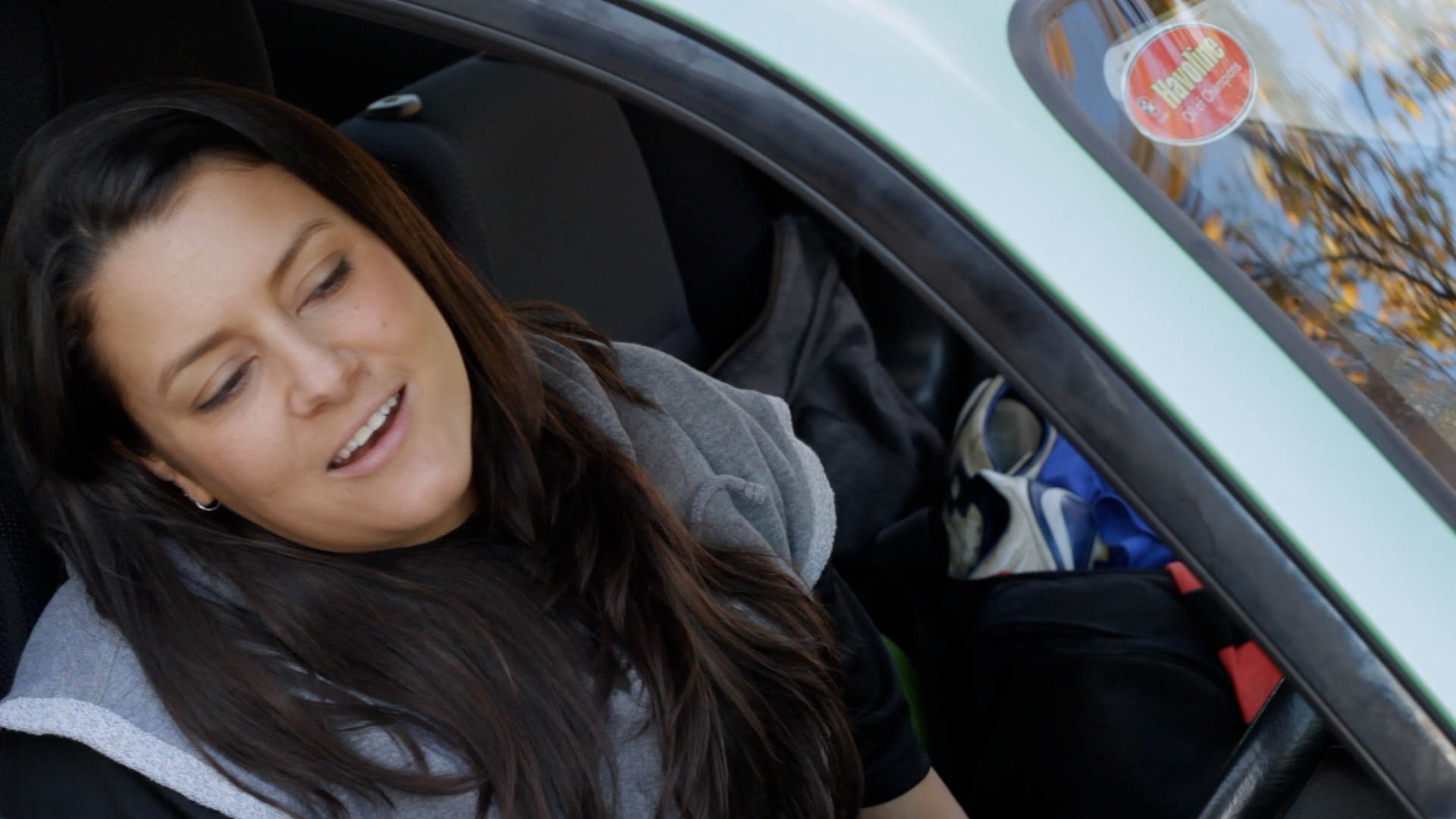
After writing a few episodes for my cousin/writing partner Jason McGrath’s show Crooks, I decided to strike out on my own.

The Real

The Real is a sitcom set in a suburban real estate agency.  It’s been likened to Parks And Recreation, and that gives you a good idea of its format and tone.

I’ve written two full episodes, a season outline, and a synopsis. But with no contacts in the industry, that’s as far as it’s gone.  Through Jason, it’s passed under the eyes of a couple of producers, who were interested but have remained non-committal.  I attended SPAA Fringe last year, but mainly met other writers and directors (which, to be honest, was mega-fun).  Everyone had a pitch or a story and was looking to take the next step.  Most were a few steps ahead of me, having either produced short films and/or worked on features.  It was a good introduction to what little industry Australia has, but I didn’t come away certain what to do next.

If there was a take-home message, it was if you want to get something out there, make it yourself.  After Heartbroken Assassin, we now have the confidence to do exactly that.

Nick and I are shooting the pilot episode as a ‘proof of concept’.  Which is to say, I don’t yet know whether it will be the final iteration, or solely used as a tool (like a script) to get meetings with production companies and networks.  Either way, having it shot will both demonstrate the show’s viability, and also our abilities as a writing/directing/production team.

Australia’s track record with sitcoms is not great, but with funny, clever shows like Please Like Me on the air, I feel we’re turning a corner.  I’d love to see The Real be a part of that.

We’re currently locking in the script, before looking to casting and locations.  Exciting times.

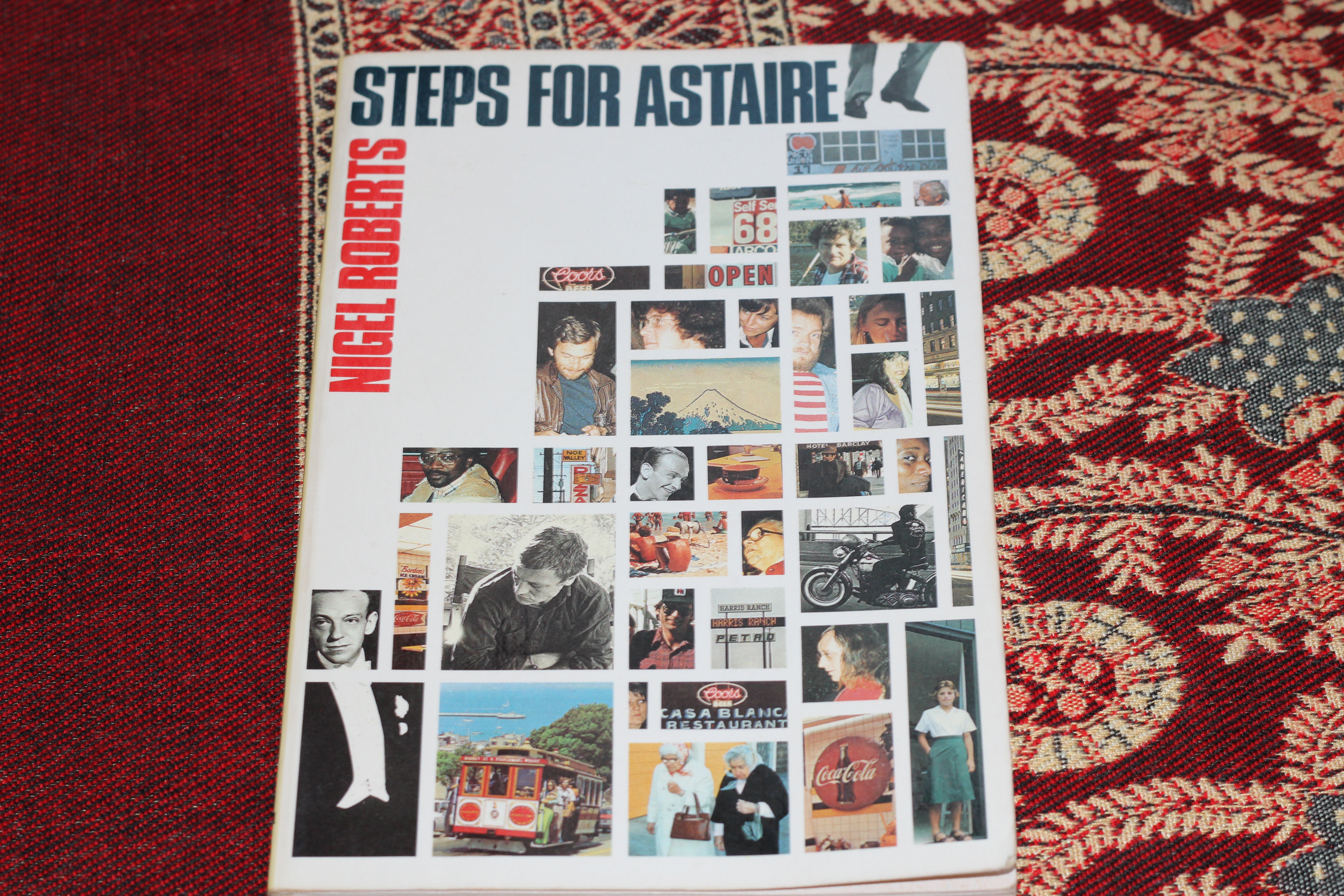
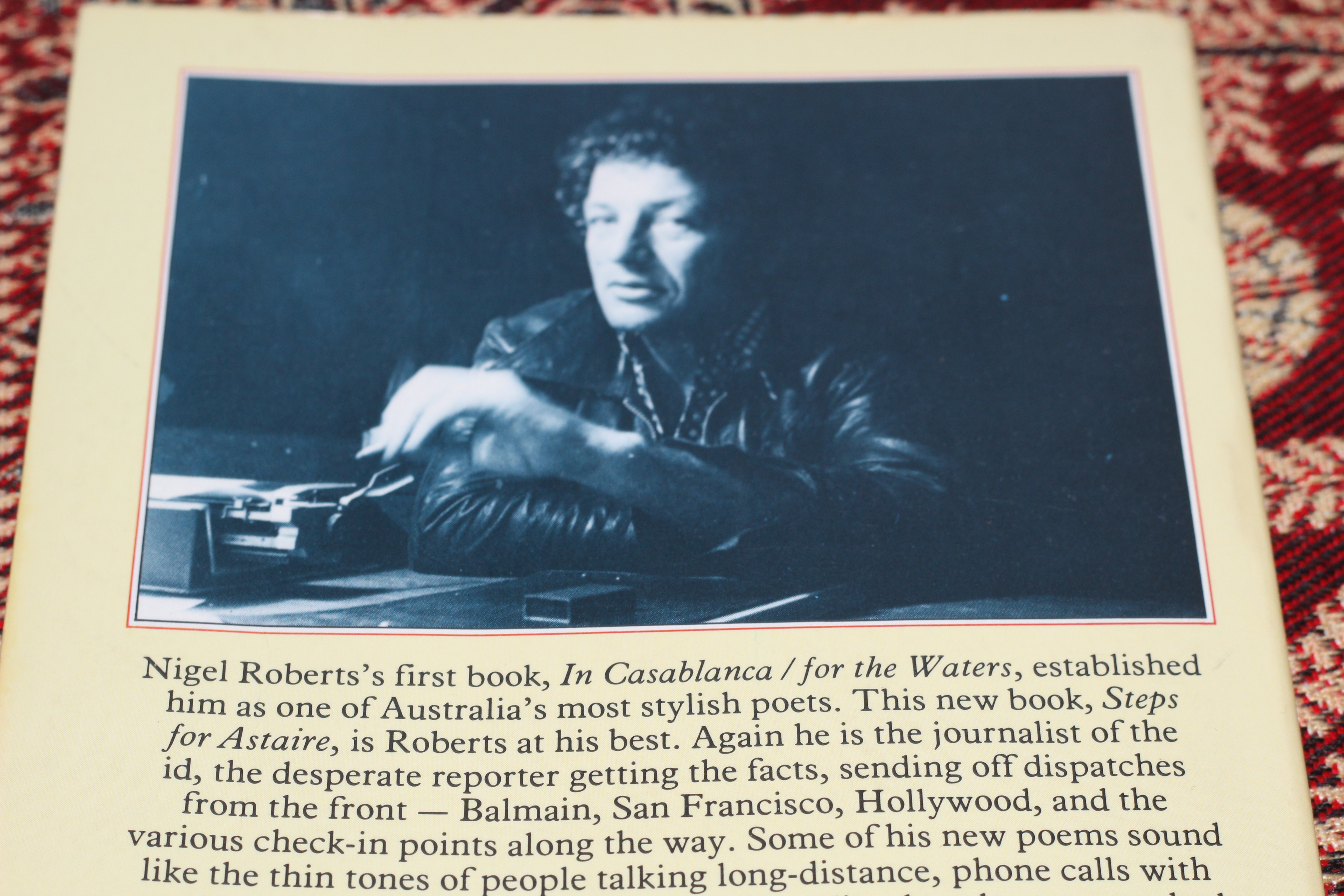
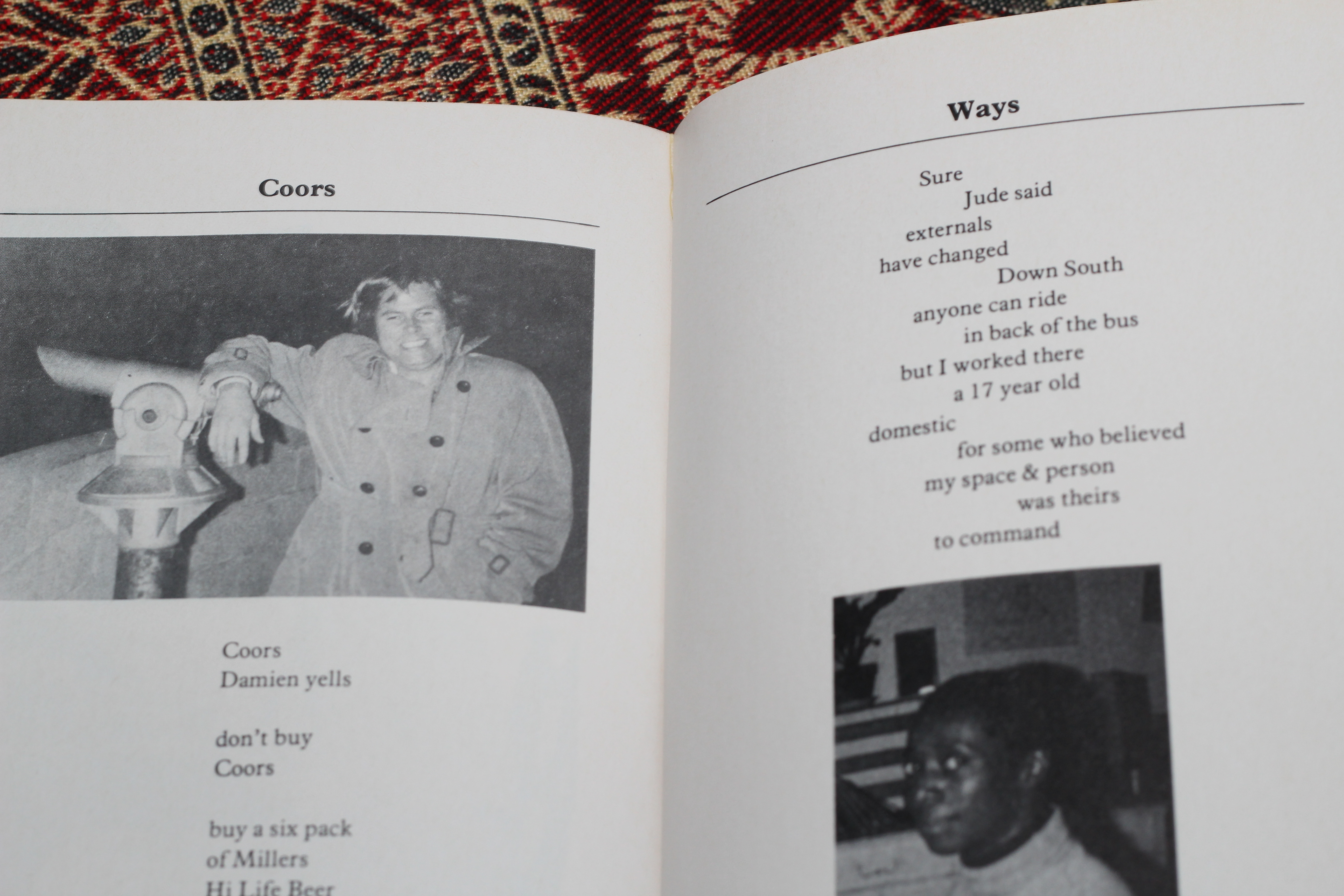
I recently re-read Nigel Roberts’ Steps for Astaire for the umpteenth time.

IMG_0018Ten years ago, I picked it up at a used bookstore. I hadn’t written a poem in years, dumping Poetry for its hot cousin Songwriting. As a teenager, I wrote a lot of them – so many that I won my high school’s Creative Writer Award for my “body of work”. Like most teen poets, I took my craft seriously – poetry was for revealing how deeply you felt and thought about things, especially the kinds of things ordinary people ignore. I actually had a poem called Confessions Of A Wooden Chair. I didn’t feel that deeply about much of anything (let alone chairs), but since that’s what I thought poetry was about, that’s what I tried to do. That, and making pretty words rhyme. Rimbaud, I was not.

Steps for Astaire got me excited about poetry again. It was a light-bulb moment – here was poetry that had depth, but was also funny, conversational, clever, relatable and real. Poems about pineapple douche and hash, about oddballs and dogshit, about free jazz and gallery sandwiches. Bukowski is a similar revelation for many, but I was yet to come across his stuff.  It didn’t matter anyway – from that point on, Nigel Roberts was my man.

His poems are longer than haikus but have the same laser-beam focus – a moment or feeling captured in as few words as possible. Zero padding – they get in, say what they need to, and get out. Some of them aren’t more than, “hey I was sitting with a friend and they said this funny thing”. Anecdotes as poems. Reader and poet as co-conspirators, as friends. He’d be brilliant on Twitter.

IMG_0020His sly humour got me where I live – it’s adult and juvenile at the same time. Most of his poems are properly funny, with actual punchlines. He builds to them like a classic stand-up would – setting the scene, luring you in, and then whacking you over the head. They’re also frequently self-referential, postmodern in how they constantly remind you that you’re reading a poem.

All these qualities had a profound impact on me. Over the next couple of years, I wrote a book of poetry (or a bunch of poems I thought held together as a book), adhering closely to the School of Nigel Roberts. Very closely. Maybe even closer than I realised at the time. Compare the following examples (Roberts’ is second).

Diane

Diane was fired

for stealing twenties out the till;

a charge she ardently

denies


She’s now studying

Animal Technology

& hopes to gain her

PhD in time

to save a few tigers


She’s still dating

He was pure_warrior she was

astrosage99

when they met 


He’s six six while she’s

Pushing five neat


On weekends they train together

She’s a black belt in tae kwon do

He does

Jujitsu & is a health freak


Defeated she’s moving

back home

until she gets another

job or

Youth Allowance whichever

comes first


Joanna

Jo deals,

& works part time

in Noe Valley Books


The Prophet

The Pritikin Diet

Est, &

Winning through intimidation


She

is from back east

where she had

objective conversations

& read

E.M. Forster.


Here

7 years now

she has acquired some

Californian solipsisms

like

she’s getting

into herself –


Jo

can recommend

a suitable programme

or a great

analyst


She says

she has

No art / No form

for her life

other than a concern

for its content 

Everyone starts by imitating someone else. I stopped writing poems shortly afterwards, so my ‘poet voice’ is suspended forever echoing Nigel Roberts. I can live with that; a lot of what I learnt – economy of words, pacing, a well-placed gag – filtered into my songs and other writing.

I like a few other poets, the same ones as everyone else – Larkin, Dickinson, Ginsberg – but I don’t actively seek them out. The exception is Roberts – I check for his works in every bookstore I enter. I’ve never seen another copy of Steps for Astaire. His first book Casablanca / for the Waters is my Holy Grail. It got so bad, my need so dire, that years ago I went to the National Library and photocopied it in its entirety. This had one advantage over actually finding the book – I could blu-tac my favourites to the walls.

IMG_0022A cult movie, or album, or poet, is fun. It’s cool to have that thing that marks you out as clued-in, but also bonds you with others. I don’t need Nigel Roberts to be the biggest poet in the world, but I’ve never met anyone that’s heard of him. There’s a little about him online these days, but information is scarce.  If you’re a fan, reach out.

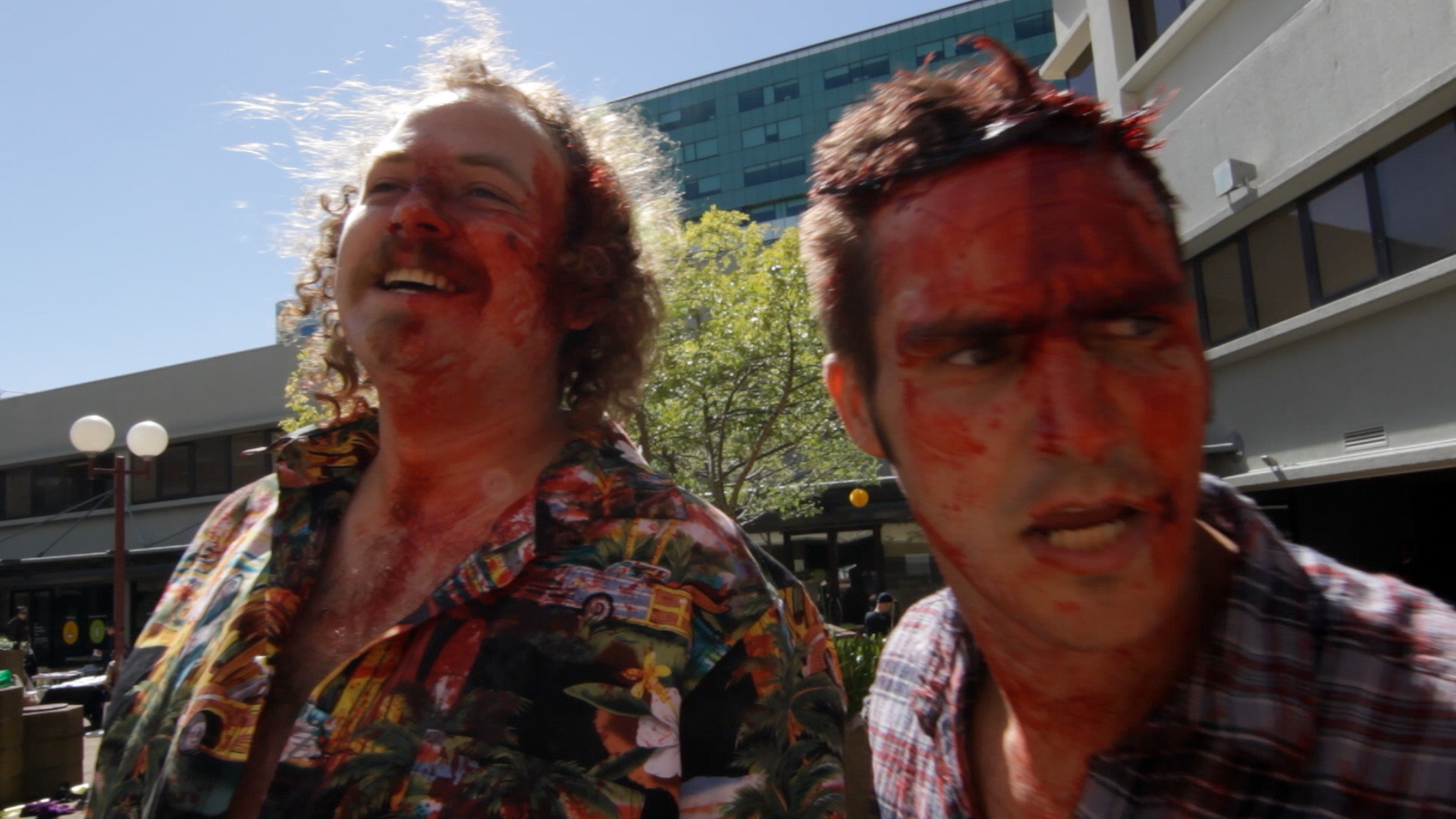
Without doubt, You Are Here 2013 was the most creatively rewarding (and challenging) experience of my life.

ML at MixtapePhoto by Adam Thomas.

Hit ‘im In The Comic CutsOne Pot Punk Rock and Heartbroken Assassin all pushed me out of my comfort zone and were creative ‘firsts’.  Having them in the same week was wild, and if that wasn’t enough, The Missing Lincolns played at Mixtape From Canberra, and I filmed Hashemoto at Prayers In The Streetlight.  Oh, and Chris got married.  What a week!

Sunshine SallyPhoto by Sarah Walker.

I was in a state of euphoria before, during, and after Hit ‘im In The Comic Cuts.  Here’s my original pitch to Dave Finnigan:

What I propose to do is to take an “orphaned” film, compose a new soundtrack, and form a scratch ensemble from members of the Canberra band scene to assist with performing it.  Stylistically, the music will feature a combination of electronic and acoustic elements, in an upbeat rock vein.  Pieces of music will vary in length as appropriate to mirror the footage – I envisage it will comprise short (10-30 second) instrumental pieces, longer instrumental passages (up to several minutes) and a number of “proper” pop songs with lyrics and music to match the mood and themes onscreen.  There is also capacity to synch sound effects with relevant action (which can be used to comedic effect – guitar string scrapes for a gun shot, for instance). 

Ten months later, that’s exactly what we did!  I still can’t believe everything fell into place – I was very ambitious in my choice of musicians, and nearly shat myself when they all agreed to take part.  Their dedication and talent is the only reason I didn’t fall flat on my face.   Instead, we played to a capacity crowd at the National Film & Sound Archive.  That sentence makes me beam with pride.  After years feeling like a scrappy outsider, I never felt more validated as a musician and songwriter than that night.  It was the quickest 20 minutes of my life.  I’ll be at a loss on Wednesday nights now for a while (though there’s some early talk about reforming for the next thing, whatever that may be…).

OPPR - Marilyn JamesPhoto by Marilyn James.

I was nervous about performing One Pot Punk Rock live – I’d let everything else take priority and felt comparatively under-prepared (I hadn’t made breakfast burritos for months).  I shouldn’t have worried – as Nick pointed out, it’d be hard to find a warmer, more receptive audience than You Are Here.  The show went well – the volunteers were amazing (¡El Jamo!  ¡El Nicko!), everyone laughed in the right places, and I stayed in characterMost surprising were the many compliments on the actual cooking – I made 14 burritos and then had to turn people away.

HA - E10 hug it out Zine Fair

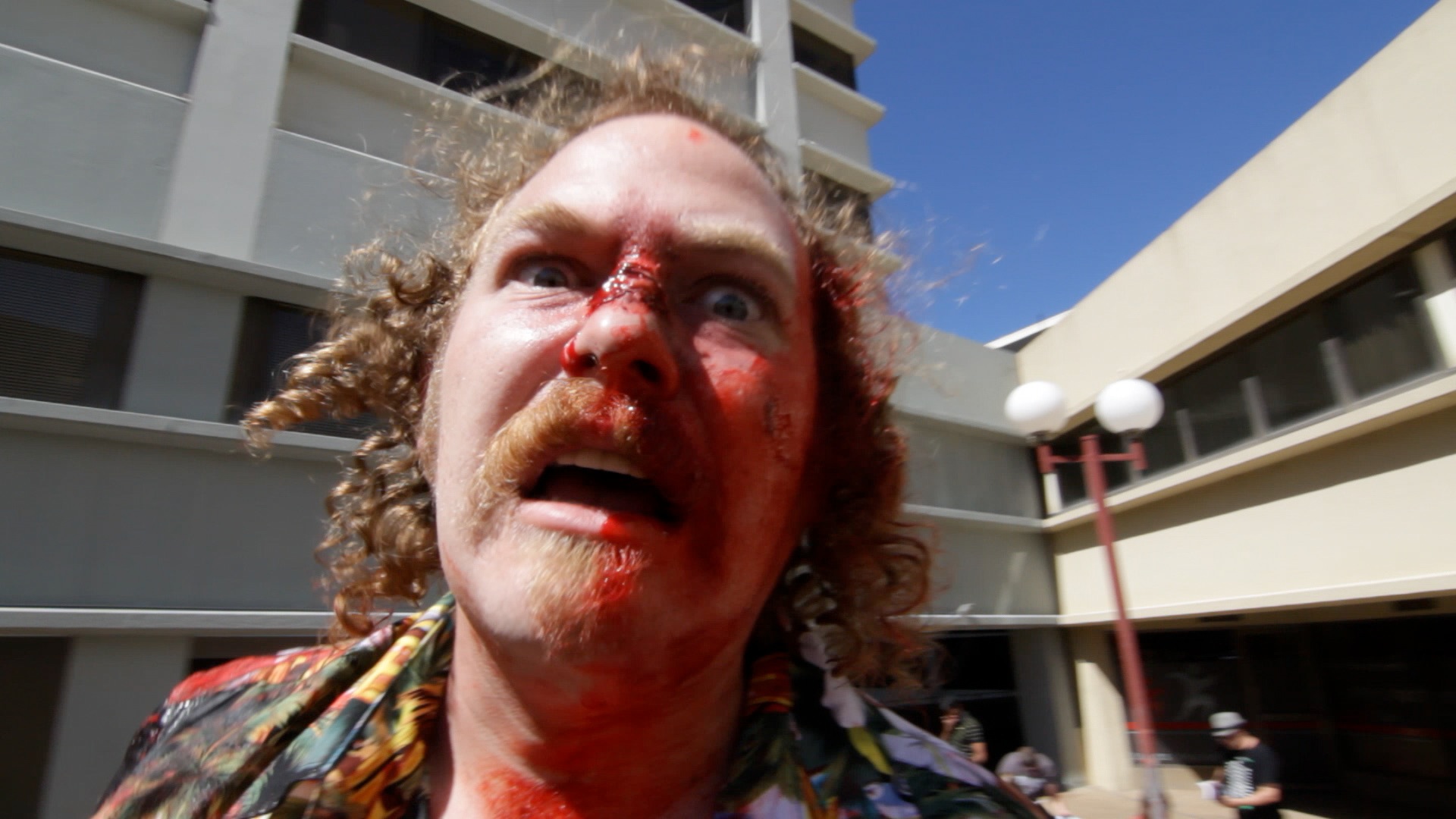
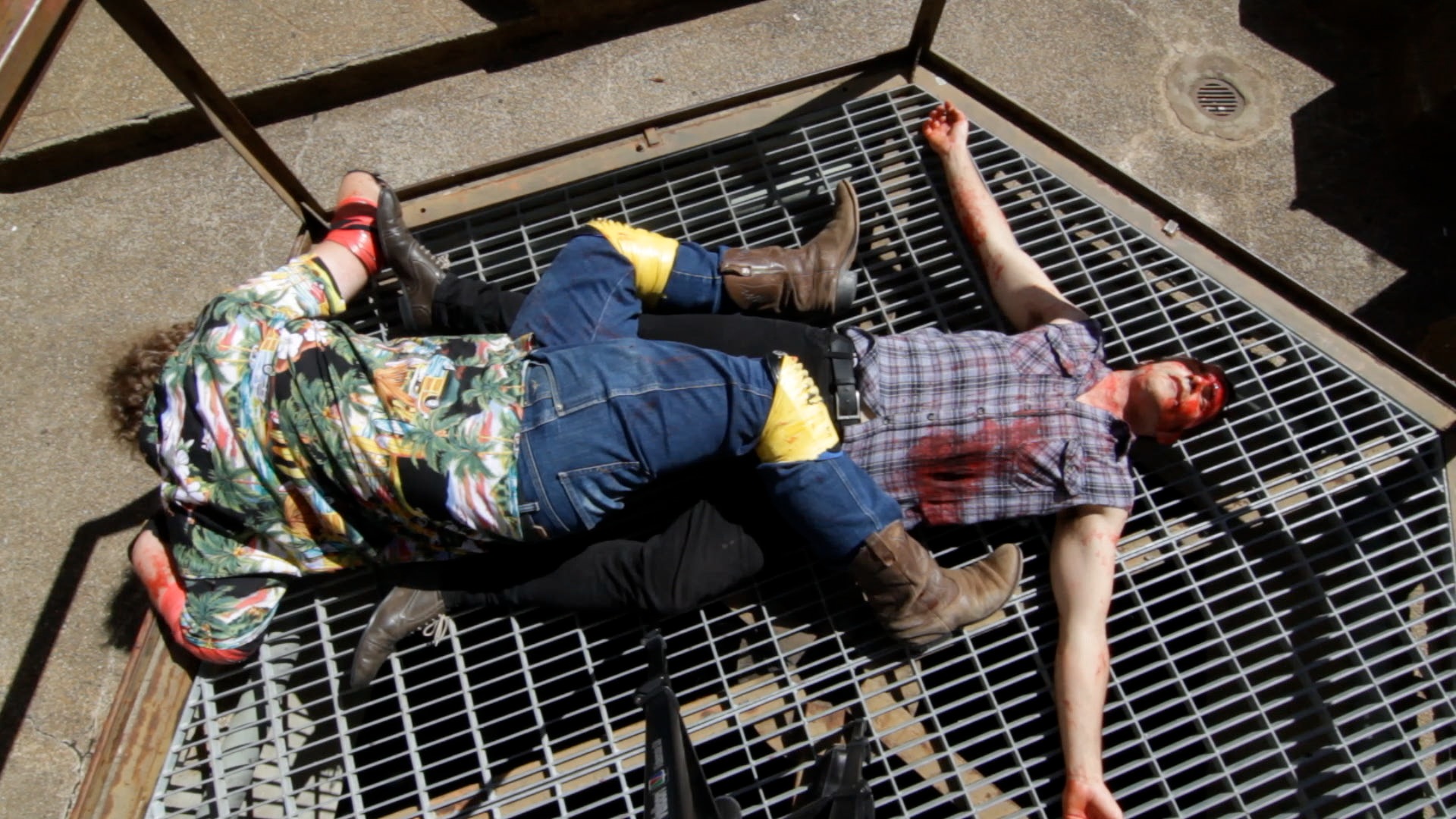
But the majority of my week was consumed with Heartbroken Assassin.  Conservatively, it was something like 25 hours of filming and 40 hours of editing.  A mammoth undertaking, none of which would have been possible without Nick.  I loved Nick’s script from the start – like Hot Fuzz or the original paintball episode of Community, it brilliantly walked the line between parody and homage.  I don’t think I appreciated the scope until we started shooting – Nick had cleverly found ways to incorporate any and all skills, people and locations at our disposal.  There’s a very short list of people that could, or would, consider doing what we did (with or without the timeframe), and even fewer that could have also written all their own music.  Now it’s done and we’re happy with it, I feel like we’re unstoppable.

I couldn’t have asked for a better producer – in addition to writing and starring, Nick also recruited and co-ordinated both cast and crew.  Years of band management/YAH experience would have honed his skills, but this was on a whole ‘nother level.  On any other shoot, it would have been someone’s full-time job – Nick made it look easy and freed me to focus on the filming and editing.

I’m so thankful Nick had the confidence we could do this, and for pushing us so completely into the deep end.  There really is no better way to learn – we made mistakes, but the experience we gained is priceless.  It’s given me the confidence as a director to look at how we can tackle some of my own scripts later this year.

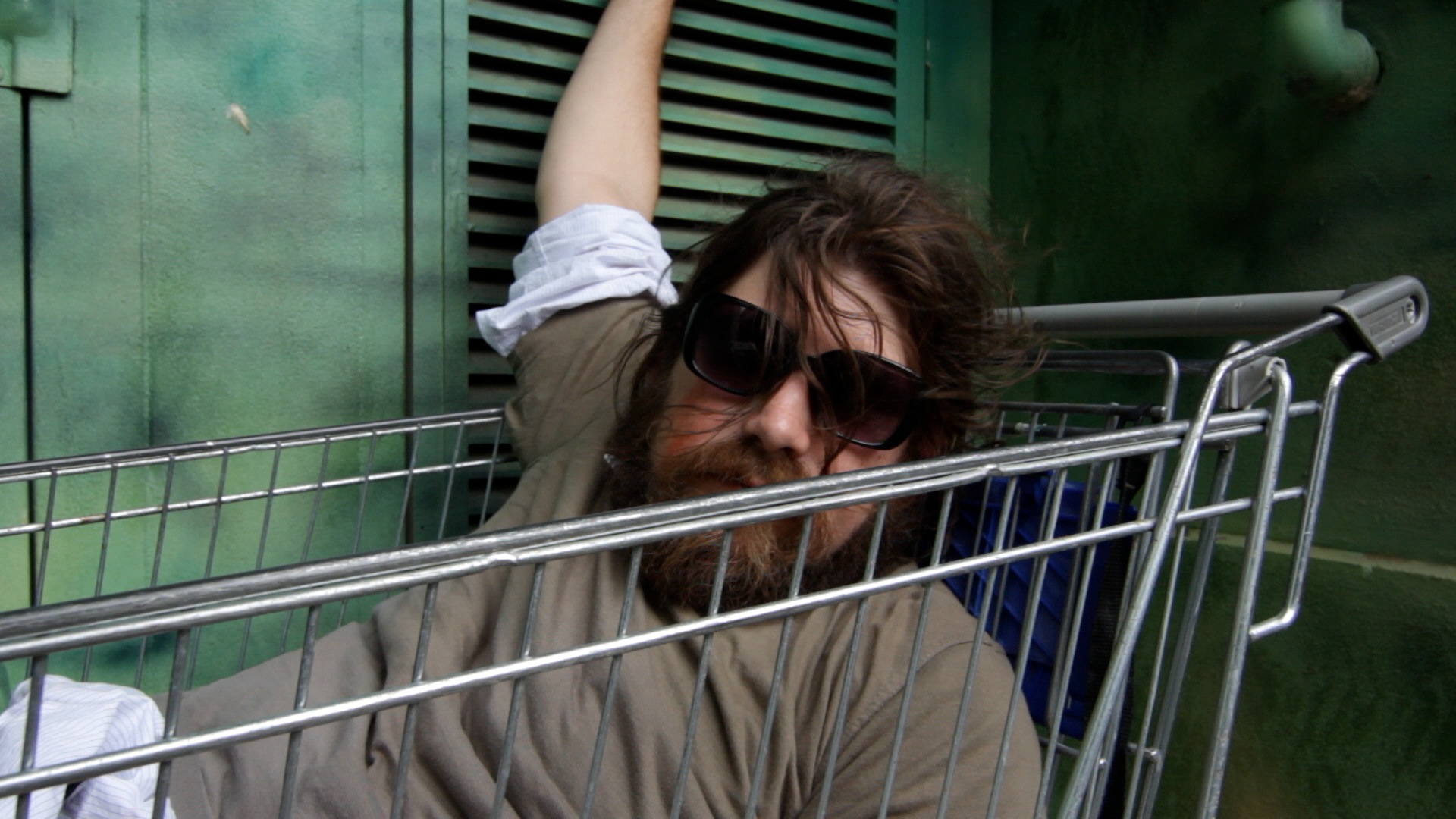
HA - E08 Landlords - dead cam

The collective talent of all the people that contributed is staggering, and we are both humbled with the time they gave us, and the passion they brought to their roles (plus their subsequent championing of the show).  I have to single out the indefatigable Cameron Ewens – not only was he my rock and confidante in the Shine Tarts, he played bass for The Missing Lincolns at Mixtape, was co-songwriter for Heartbroken Assassin, AND stole every scene he was in as Coordinator #2 (even when acting dead).   I’ve yet to find something he can’t do well, and while Nick and I are pretty unflappable, Cam runs rings around us.  He’s so multi-talented he’s painted himself into a corner and will be stuck forever taking part in whatever harebrained schemes we come up with in the future.

I also had great fun doing all the promo, including several interviews available on the You Are Here website, a guest artist spot at a festival breakfast, two radio interviews (2XX and 666 ABC), and contributing a One Pot recipe to the You Are Here zine.

My hope now is that (after a short break) we can maintain some of this momentum and use it to propel our dreams even further.